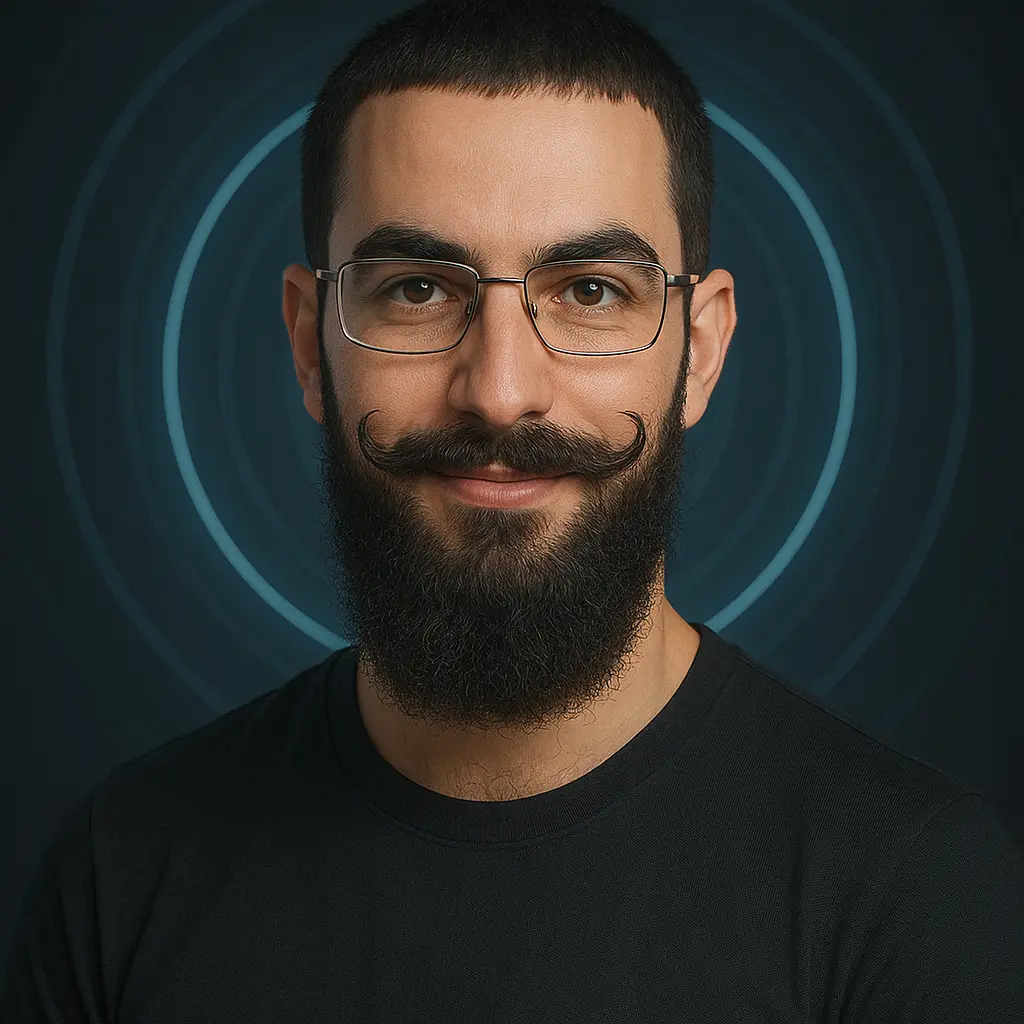
Faisal Hourani
February 9, 2026 · 5 min read
Why I'm Building AI Agents Instead of Hiring a Team
I've lost count of how many people I've hired, trained, and watched leave over the past nine years at WebMedic. Eighty-plus websites built, 4,000+ client requests handled, and every single time someone walked out, they took knowledge with them. Not just task knowledge — the kind of context that never makes it into a document. Which client hates being emailed on Mondays. How the staging server actually works versus how the docs say it works. The workarounds that keep things running.
You rebuild. Every time. And every time, it takes longer than you think it will because you forgot how much of the system lived inside someone's head.
When you're a solo founder trying to build multiple things, teams become a ceiling pretty fast. You can't spin up a team for an experiment. By the time you've written the job post, interviewed, onboarded, and gotten everyone aligned, the window for testing the idea has already closed. I launched products alongside the agency for years, and the ones that died fastest were always the ones waiting on someone else — a partner who didn't deliver, a freelancer who disappeared, a team I couldn't afford yet.
I kept thinking the answer was finding better people. But that wasn't actually the problem. The problem was that the model itself — build idea, hire team, hope it works — is too slow and too expensive for testing a lot of ideas.
So here's what I'm trying instead. I'm using Claude Code to build and validate multiple ventures simultaneously, as one person. Not in theory — I'm actually doing it, and I want to be specific about what that looks like.
LeadEngine is a project I'm building to handle prospecting and outreach. Right now I'm validating whether it can find the right prospects, write outreach that doesn't sound like spam, and follow up without me touching it. TaskForce is meant to consolidate ecommerce operations — orders from Shopify, Shopee, Lazada, TikTok Shop — into one place, because I've watched WebMedic clients copy-paste order details between platform tabs for years and it's painful. ConversionStudio scans real customer conversations to find the language people use to describe their problems, then builds ad copy and landing pages from that. AlwaysOn handles WhatsApp conversations for service businesses — the plumber, the clinic, the tutor — so their customers get a real answer at 2am instead of silence.
None of these are running businesses yet. They're projects I'm building and validating. I want to be clear about that because it would be easy to make this sound more impressive than it is.
The idea behind all of them is the same, and it came from watching how work actually happens inside WebMedic. Every business has these clusters of tasks where a human is basically the glue between systems. Someone checks one platform, copies data to another, makes a decision, updates a third. The human holds the context. The tools do the mechanical bits. The human does everything else.
What I'm betting on is that Claude Code can hold that context instead. Not replace the human entirely — I still make every strategic call, review every output, catch the mistakes. But the coordination work, the stuff that eats 80% of the day, that's what I'm offloading.
The flywheel I'm hoping for goes something like this: I build a venture using Claude Code and the same Laravel, Vue.js, and Tailwind stack I've used for years. I test it on my own business first — WebMedic becomes the first guinea pig. If it works for me, maybe it works for WebMedic's clients. If a client starts using TaskForce, maybe they also need AlwaysOn. One person enters the ecosystem, multiple ventures serve them. That's the theory, anyway. Whether it actually plays out that way is a completely different question.
Is this going to work?
Honestly — I don't know. LeadEngine is running its first test. TaskForce has one user, which is me. ConversionStudio and AlwaysOn are still being built. Most of these will probably fail, because that's what happens with new ventures — I've built twenty-plus products over thirteen years and the survival rate is not encouraging.
But I'd rather spend my time building and testing these with Claude Code than writing another job description and hoping the next hire sticks around long enough to learn the system. The cost of trying dropped so dramatically that the math on experimentation just looks different now. I can test an idea in a week that used to take three months and a team of three.
I'm still working this out. More to follow as it develops.
Faisal Hourani
Founder, SuperVentureStudio
I write about what I'm building and what I'm learning.
New ventures, systems that work, honest failures. No fluff — just real lessons from a builder's journey.
You're in. I'll send you updates worth reading.